
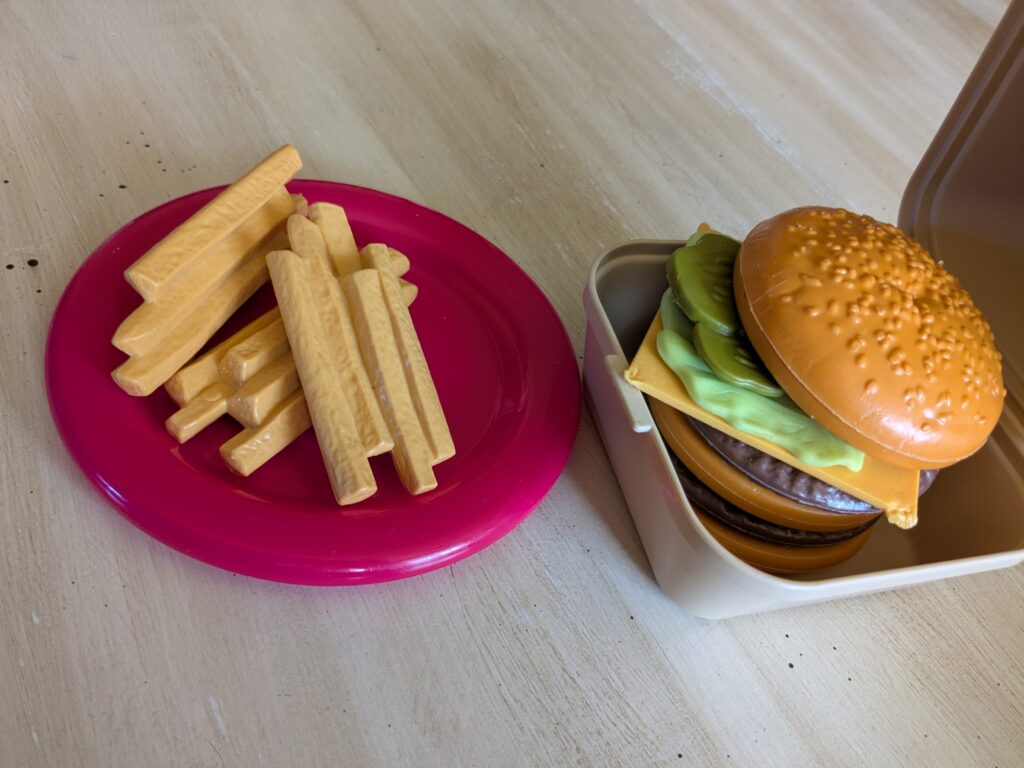
Plastic Food?
Are We Eating Too Much Plastic?
All plastic breaks down over time into smaller and smaller particles known as micro plastics and nano plastics (MNPs.) Even large plastic items shed particles constantly, much like your skin sheds cells.
The Environmental Working Group estimates a typical person consumes the equivalent of up to 12 plastic bags in one year.
Why is this a concern?
Most plastic particles are probably removed from our bodies in our stool. But enough of it is known to remain in the body with the potential to cause harm. Plastic can cause damage to the body in two ways: physical damage caused by the particles themselves and chemical damage from the chemicals that are incorporated into the plastic molecules.
Physical damage takes place when the micro plastic slices through cell membranes, causing an Inflammatory response or damage to the organelles within the cell. Other damage can occur if it becomes part of the gut microbiome, or triggers oxidative stress in cells or interferes with the cell’s ability to clear viruses or bacteria. All of these have been shown to result from exposure to plastic molecules that were once considered benign.
Chemical damage occurs when some of the 16,000+ chemicals that are used to create plastics migrate out of the plastic and into the world around us. Micro and nano plastics with their associated chemicals have been found EVERYWHERE in the world including in our bodies, our food, beverages and personal care products. The most common categories of chemical additives in plastics are the Phthalates, Bisphenols, Per & Polyfluorakyls (pfas), and Brominated Flame Retardants. These chemicals are known to be endocrine disruptors (effect the hormone system) and neurotoxins. They accumulate in the body faster than the body can get rid of them and they persist (don’t break down.)
What can you do?
Can you decrease the Micro and Nano plastics in your food and water?
While it is impossible to avoid all micro plastic contamination, you can take steps to decrease your exposure.
Don’t let plastic touch your food. Get rid of plastic cutting boards, utensils, bowls, etc. Avoid buying food in plastic containers. Avoid buying food in cans (almost all cans are lined with plastic which can leach into the food.)
Avoid the things that can enhance migration of chemicals from containers to the food.
These include:
- Heat: Never microwave food in plastic and don’t expose plastic to heat sources. And note, a “Microwave Safe” label DOES NOT MEAN SAFE FOR THE CONSUMER. It means the container won’t be deformed by the microwave.
- Acids: Don’t buy nor store foods like vinegar and mustard in plastic containers
- Alcohol: Avoid alcoholic beverages in cans (lined with plastic!) or in plastic bottles.
- Surface area: A small food container will have much more plastic surface area that touches the food than a large container.
- Time: The longer a food sits in a plastic container, the more micro plastics will be shed.
Are we paying a high price for convenience? Recent studies have found that fast foods and highly processed foods have very high levels of MNPs. This is probably due to the increased exposure from food processing equipment and from exposure to plastic packaging.
Plastic chemicals appear to migrate more easily in certain substances.
Fats, Acids, Alcohols and Liquids all have an affinity for plastic molecules, so purchase and store these types of foods in glass when possible.
For more information on this topic, view these websites:
Beyond Plastics beyondplastics.org
Environmental Working Group ewg.org
Toxic Free Future toxicfreefuture.org
IPEN (International Pollutants Elimination Network) ipen.org
Plastic Pollution Coalition plasticpollutioncoalition.org
APPs & Sites to help you shop Plastic-Free:
- https://www.grove.co/pages/unplastic-shop (from the makers of “The Plastic Detox” film)
- https://www.clearya.com/ nontoxic shopping
- https://www.thinkdirtyapp.com/ (shop clean)
- https://www.oasishealth.app/ What’s in your products?